
Across twenty-five years watching players chase prize pools, I’ve seen a payout table decide whether a session feels fair or frustrating long before the first card is dealt. Linda Coorey’s background blends three decades in creative-industry production with that gaming experience, and she reckons a transparent prize ladder matters more than flashy graphics when real money is on the line. At needforspin76, the operators treat the ladder as a core promise rather than a footnote, publishing the exact split before you register and keeping the same structure visible on mobile and desktop alike.
That philosophy has shaped the way she evaluates modern platforms, always looking for clear rules over slick marketing. You can explore her latest project at needforspin76, where she breaks down how prize structures translate into actual player trust. When the numbers add up, the game feels less like a gamble and more like a genuine contest.
Reading the prize ladder before you buy in
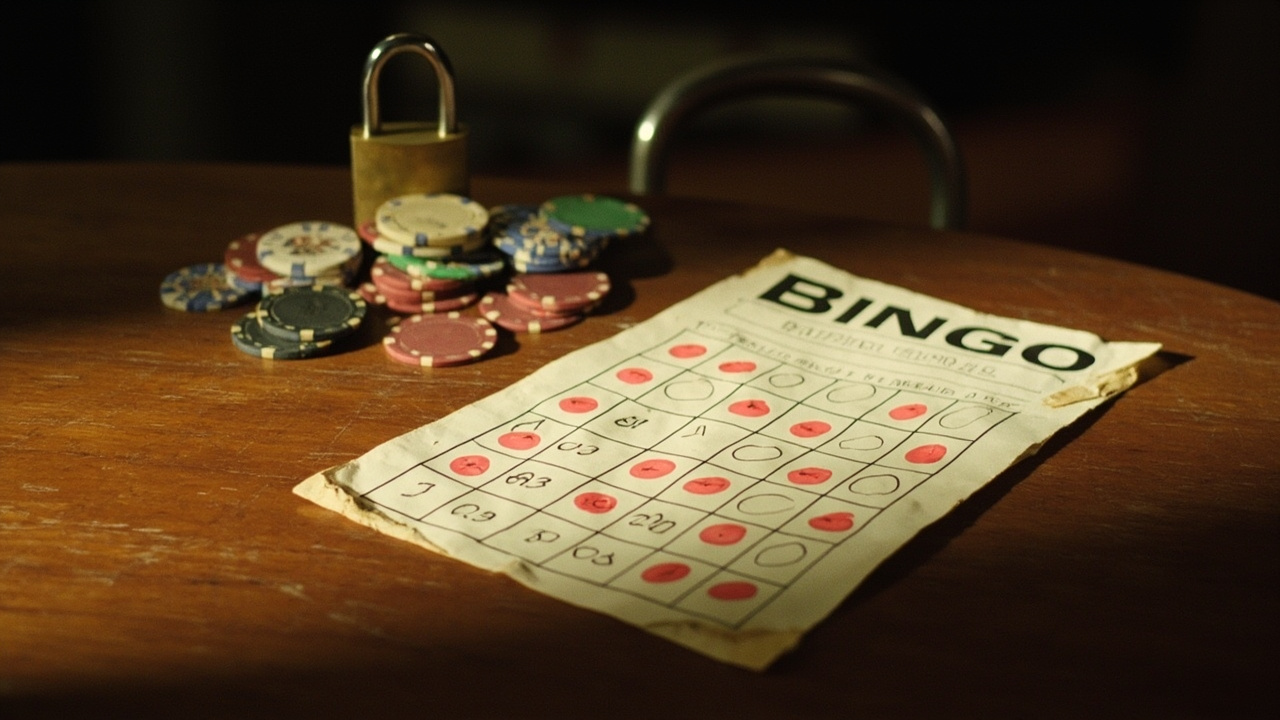
A sensible poker tournament payout structure starts with the paid positions and works backward, so you know exactly where the money stops trickling down. Most local-friendly rooms set the top ten to fifteen percent of the field on the card, with the bullseye taking a healthy chunk and the lower paid spots offering just enough to cover a rebuy or two. I’ve judged products against that yardstick for years, and a table that pays only the top three feels as empty as a delayed Sydney train when the crowd is already onboard. The best rooms spell out the exact percentages on the tournament page, list the minimum and maximum seat counts, and show how the pool shifts when a satellite fills early. Registration stays straightforward, the games lean on recognised providers, and the bonus mechanics never quietly rewrite the payout maths after you’ve committed your buy-in.
How the money actually moves through the room
When the final table bubbles, the payout structure has to move cash in a way players can track without a calculator and a headache. A clean room publishes the currency, the withdrawal windows, and the fee schedule before the first hand is dealt, then sticks to those numbers through the evening. I’ve watched creative teams overcomplicate simple flows, but a good platform keeps the path as direct as a packed Melbourne tram during peak hour. Payments usually run through the local currency, with standard processing times that don’t swing wildly between Tuesday and Saturday, and the same rules apply whether you’re playing from a Canberra lounge or a regional club. Account controls sit front and centre, so you can set session limits, view your pending prizes, and confirm that the room’s licensing and security checks are visible in the footer rather than buried in a terms PDF.Online Poker Tournament Play With Golden
Where the structure bends under real conditions
No payout table survives contact with a full field unchanged, and the trade-offs show up the moment the room fills past its seat limit or a late rebuy pushes the prize pool sideways. A fair structure adjusts the paid positions proportionally instead of quietly dropping the lower spots to protect the house edge. I’ve compared this to a Saturday queue at a Bunnings sausage sizzle, where the line keeps moving but the sausages don’t suddenly cost double because the crowd grew. Good rooms cap rebuys at a clear point, publish the exact rake or fee that feeds the pool, and let you see how a delayed start or an early bust-out changes the final split. Support teams that understand these mechanics can explain why a particular position shifted, while privacy controls keep your play history and payment details out of the wrong hands. The responsible-play tools matter here too, because a transparent ladder only helps if you can step away before the chase turns expensive.
Keeping the ladder honest over a long session
A payout structure earns trust when it stays consistent across small daily events and bigger weekend fields, not just when the headline prize looks generous. I’ve judged platforms by whether the same percentages and paid positions appear on the Friday night event as on the Sunday special, because drift is where players lose confidence. The room should publish its licensing details, keep security checks visible, and let support answer a payout question without making you jump through three different forms. Loyalty points can sweeten the evening, but they should never quietly alter the prize split or make a lower paid position look better than it is. When the maths are clear, the currencies are local, and the account controls let you manage your exposure, the whole session feels like a measured contest rather than a mystery.
Knowing where the money lands before you sit down turns a gamble into a measured decision. A clear poker tournament payout structure tells you the paid positions, the currency, and the limits upfront, so you can weigh the buy-in against the actual return instead of hoping the final table sorts itself out. Keep an eye on the published percentages, watch how the room handles rebuys and field size, and use the account controls to stay within your own limits. If the ladder is honest and the support backs it up, you’ll know exactly what you’re buying into before the first hand is dealt.
- Payout percentage – the share of the prize pool reserved for each paid position on the card.
- Paid positions – the exact finishing places that receive a share of the pool, usually counted from first place downward.
- Rake or fee – the small cut taken from each on our platform buy-in that feeds the prize pool before any prizes are paid.
- Rebuy cap – the limit on how many extra buys a player can add once the tournament has started.
 +34 619 303 794